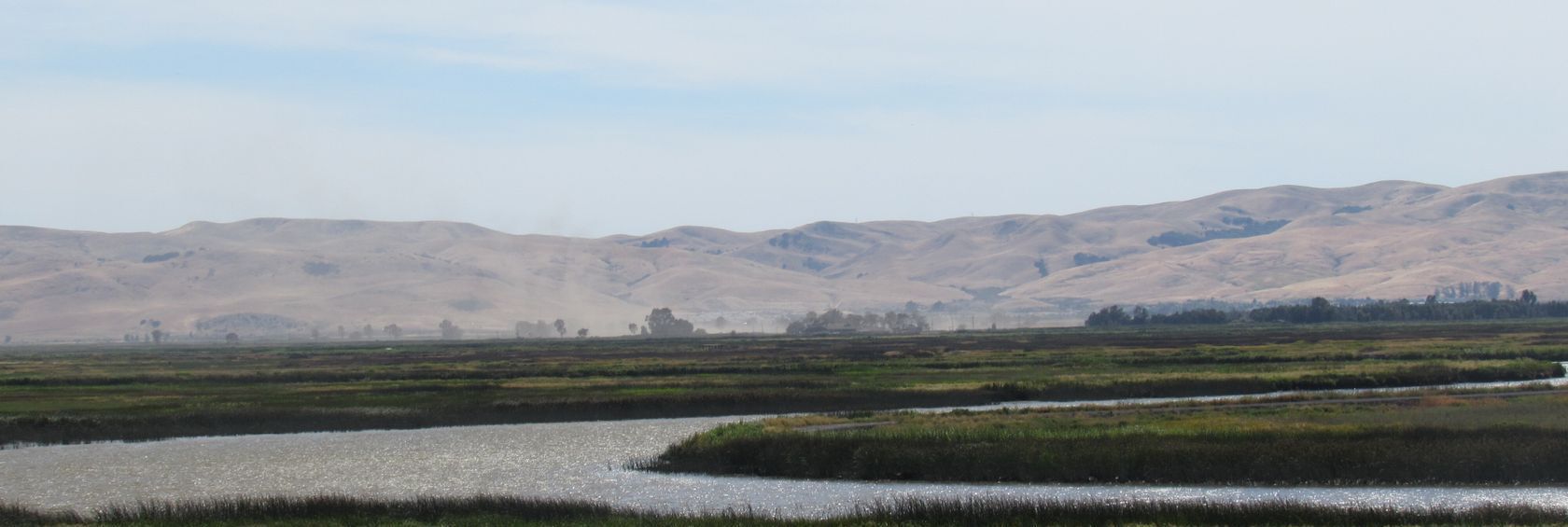
Solano grass (Tuctoria mucronata) is a very rare endangered species. There are only three places in the world where this grass is found, including Jepson Prairie Preserve. It requires a vernal pool ecosystem to survive but thrives especially in larger “playa” pools like Olcott Lake. This is where it was first discovered in the 1990s. When it was discovered, Solano grass enthralled the scientific community. According to Solano Land Trust project manager Jasmine Westbrook-Barsukov, “Botanists were very excited but were also wildly irresponsible.” Solano Land Trust staff and Jepson Prairie docents discovered the line “I collected all that I found” written in one botanist’s notes. “Even people who love and care about plants can do them harm,” said Westbrook-Barsukov. Solano grass was collected to extinction!
That’s not where the story of this rare species ends though. The irony that hundreds of samples of Solano grass lived in herbaria across the country but not in its habitat was not lost on those who care about Jepson Prairie. One of those people is Carol Witham, a vernal pool legend and consultant who sits on the Jepson Prairie advisory council. She committed to bringing Solano grass back to Solano County – the place where it was originally discovered and from where it derives its name.
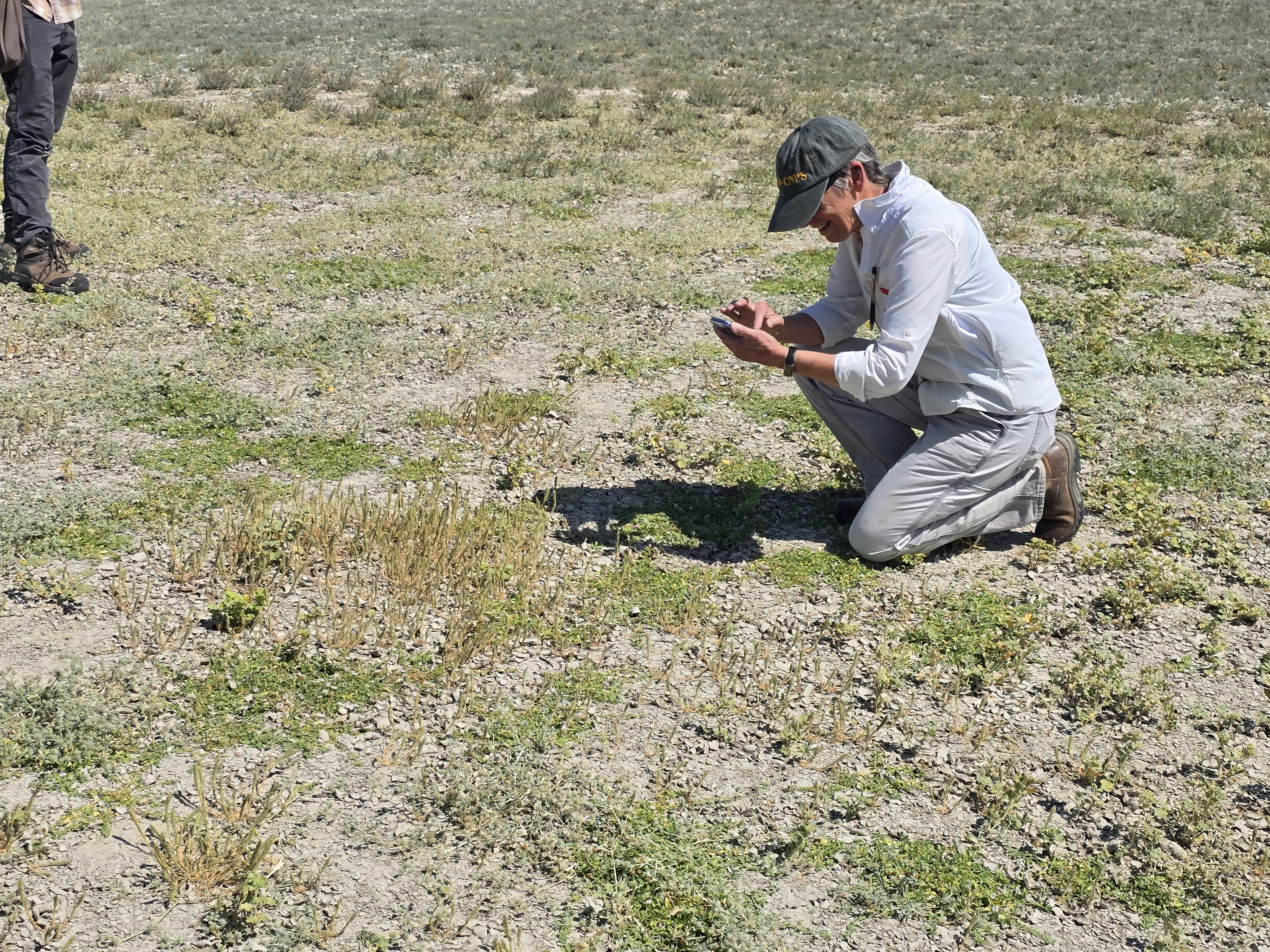
She found that all samples of the grass were collected at their flowering phase except one which still had seeds. It was a dead end though. The seeds weren’t viable. With permission from the land stewards, Witham collected seeds from a site in Yolo County in 2015. In 2016, the first official Solano grass county at Jepson Prairie yielded 40 plants. In 2025, staff, docents, and volunteers conducted the 10-year count of Solano grass. What they found was nothing short of a miracle: 1,380 plants. According to Witham, “This is how a stable population behaves.”
Only 2% of vernal pools are left in California. Solano grass has the potential to spread into nearby vernal pool habitats, many of which are under threat of development. If you go to Jepson today, you won’t find any Solano grass. The parent plant has died, and the seeds have gone into the mud underneath Olcott Lake. They’re safe from overeager botanists. If you care about protecting endangered species, you’ll want to stay tuned. Solano Land Trust hosts a Solano grass count in August which is open to the public.
